Sneakers have three names. You need the third one.
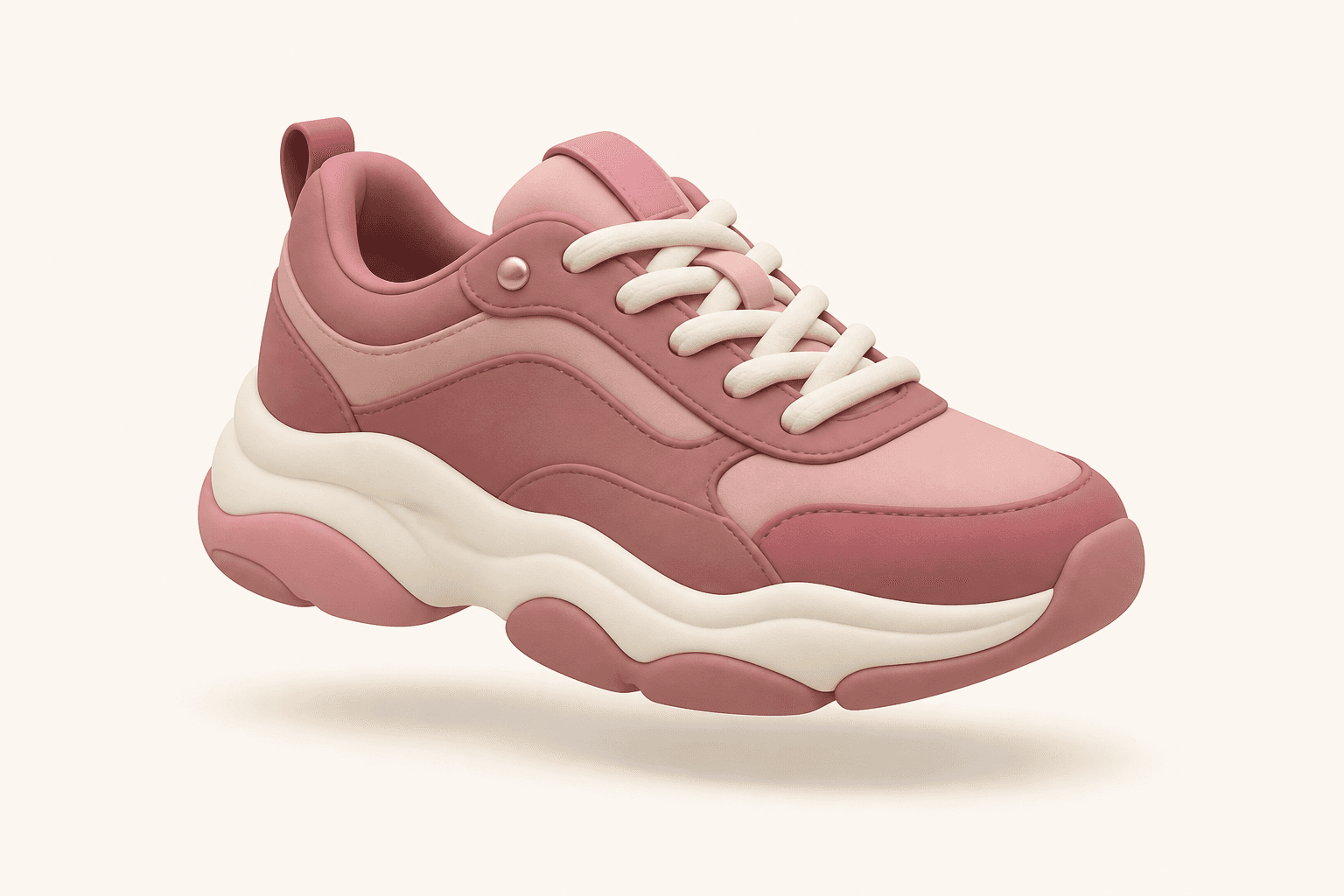
Find the silhouette, then the colourway, then the style code. The silhouette is the shape of the shoe and you can read it off a bad frame. The colourway is the name people say out loud. The style code is six characters, a hyphen and three digits, printed on the tongue tag and on the box, and it is the only one of the three that ends the argument.
Every sneaker identifier app wants a clean side-on photo of one shoe against a plain background. What you have is a shoe mid-stride, at an angle, for four frames, in a room lit by one lamp.
A sneaker has three names, and only one is unique
This is the part nobody explains, and it is why most searches fail before they start.
- The silhouette is the model. Air Force 1 Low, Samba, New Balance 550. It is the mould: midsole shape, toe box, panelling. Thousands of different pairs share one silhouette.
- The colourway is which of those pairs.Sometimes the brand names it. More often the community does, and the community's name is the one that sticks. Bred is black and red. Triple Black is the all-black one. Those nicknames outlive the official colour description and they are what gets typed into search boxes.
- The style code is the identifier.Nike's runs six characters, a hyphen, three digits. The first block is the model, the three after the hyphen are the colour. adidas uses a shorter alphanumeric article number. One code, one exact pair.
Almost every failed search is a silhouette question wearing a colour's clothes. “White Nike sneakers” asks about a shape and describes a shade, so it returns forty years of white Nike sneakers. Name the layers separately and each one gets easier.
Read the shape, not the logo
Scrub to the frame where the foot is flat and side-on. In a walking clip that frame exists, but it is not the one the video lingers on, and every mid-stride frame is a shoe bent out of its own shape. Then read four things off it.
- The midsole. Thin and flat, or chunky and stacked, or with a visible air unit in the heel. This single feature rules out most of the catalogue.
- The toe. Round, tapered, or wearing a separate rubber toe cap. A toe cap is a strong signal and it survives blur.
- The heel. A pull tab, a moulded counter, a stitched logo block. People photograph the side and forget the back carries half the identity.
- The panelling. Where the seams sit on the side wall. That is the fingerprint. Two brands can share a colour and a profile and never share a seam line.
The logo is the least useful thing in the frame. It is small, it is the first casualty of compression, and it is the exact detail a counterfeit is built to reproduce. Visual search has its own failure modes on video and this is one of them: hand it a blurred logo and it answers with a brand, confidently, and you spend an hour inside the wrong catalogue.
The colourway is where the hour disappears
A popular silhouette gets new colourways constantly. So getting the model right feels like winning and leaves you with a grid of near-identical shoes.
On-camera colour will not settle it. Warm bulbs, automatic white balance and compression each move a shoe by about one step, and colourways are separated by about one step. Bone, sail and cream are three releases and one on-screen colour. So stop describing the shade and start describing the placement: which parts are coloured, which are white, whether the sole is gum or ice or plain rubber. Placement survives bad lighting. Shade does not.
Then use the community's vocabulary rather than your own. The nicknames exist because thousands of people needed to talk about one exact pair, which is precisely the problem you have.
The style code ends the argument
A description gets you a shortlist. A code gets you a page.
On a Nike pair the code sits on the label on the short side of the box and again on the tag sewn inside the shoe, and the two are supposed to match. adidas puts its article number on the tongue tag or inside near the heel. Paste either into the search bar on StockX or GOAT and you land on one product, with the code printed on the page so you can check you are in the right place.
You can sometimes lift a code straight out of a video. Unboxings show the box label. Haul clips leave the box in frame. Someone loosening the laces shows the tongue tag for a second. And if the creator ever posted an unboxing of the same pair, that older video carries the code the outfit video does not, which is the sneaker version of a habit worth keeping: the answer is usually in an earlier post.
Resale listings are the reference library
This is the step people skip, and it is the one that works.
A resale marketplace holds every colourway of a silhouette in one place, shot on a plain background, with the style code on the page. It is the clean catalogue photography the brand stopped hosting the day the pair sold out. You do not have to buy anything there to use it. Search the silhouette, scroll until you see yours, read the name and the code off the listing, and take that back to wherever you actually want to shop.
The comments are worth a minute first. Sneaker replies are unusually good, because the people who know answer for sport, and the answer often arrives days after the video peaked. Sort by newest, not top.
What a listing photo is hiding
Once you have a name, the risk moves from finding to buying, and the gallery tells you a lot.
- No tag shot. A seller who has the real pair photographs the tongue tag and the box label, because that is what buyers ask for. Ten glamour angles and no tag is a decision, not an oversight.
- Press images only.If every photo is the brand's own campaign shot, nobody has proven the item exists in that seller's hands.
- Codes that do not agree. The code on the inside tag and the code on the box label should be the same, and both should match the colourway in the photos.
None of that makes a cheap listing fake. It makes it unevidenced, which is a different thing and still a reason to keep looking. The line between a dupe and a counterfeit is worth knowing exactly, because for sneakers the two get sold in the same search results.
When the pair is not a pair you can buy
Some of what you see was never for sale. Samples, player exclusives, friends-and-family pairs, releases that shipped in one country, and plenty of shoes that came out before the video did.
Sneakers are unlike furniture here. With a sofa, the same silhouette in the same material is genuinely the right outcome. With sneakers, the specific pair is often the entire point, so a near match is a different shoe rather than a good substitute. That cuts both ways and it is worth saying plainly: if fifteen minutes gets you a silhouette and no colourway, the honest options are to buy a general-release colourway of the same model on its own merits, or to let it go. What does not work is buying something adjacent and expecting it to feel like the thing you saw.
Where we fit
Share a sneaker clip to Stealsy and it pulls out the products it can stand behind, with prices and links it has opened itself. No affiliate links, so what comes back is picked on evidence rather than on commission.
Footwear is a category where a name is either exactly right or worthless, and we would rather hand you a silhouette we can prove than a colourway we cannot. A confident wrong colourway costs you the purchase. Heart what it finds and it watches the price instead of you watching a tab. The archaeology on a ten-year-old sample pair is still yours to do.
Get Stealsy for iPhone — share a video, get the products, prices and verified links.
Common questions
- How do you identify sneakers from a video?
- Work through three names in order. First the silhouette, which is the model: the shape of the midsole, the toe box, the heel and the seams on the side panel. Pause on a frame where the foot is flat and side-on rather than mid-stride, and read the shape rather than the logo, because the logo is small and is the first thing motion blur eats. Second the colourway, which is the specific colour version of that silhouette. It usually has a community nickname such as Bred for black and red or Triple Black for the all-black version, and the nickname is what people actually type into a search box. Third the style code, which is the only one of the three that is unique. Once you have a silhouette name, search it on a resale marketplace, scroll the colourways of that model, and match yours by eye against clean catalogue photos.
- What is a sneaker style code and where do you find it?
- A style code is the manufacturer's own identifier for one exact model in one exact colour. Nike prints six characters, a hyphen, then three digits: the first block identifies the model and the three digits after the hyphen identify the colour version. adidas uses a shorter alphanumeric article number. On a Nike pair the code appears on the label on the short side of the box and again on the tag sewn inside the shoe, usually under the tongue, and the two are meant to match. From a video you can sometimes catch it in an unboxing, in a haul clip where the box sits in frame, or when someone loosens the laces far enough to show the tongue tag. Paste the code into StockX or GOAT and you land on one product page instead of a category, which is why the code is worth more than any description.
- Why does a sneaker search keep returning the wrong colour?
- Because on-camera colour is not colour. Warm indoor light, the phone's automatic white balance, and video compression all shift a shoe by a step, and sneaker colourways are separated by exactly that much. Bone, sail and cream are three different releases and one on-screen colour. The fix is to stop searching by the colour you see and start searching by the vocabulary the sneaker community uses, then confirm against catalogue photography on a resale listing where the lighting is neutral. Also note which parts are coloured rather than the overall impression: two colourways of the same model often differ only in the stripe, the swoosh or the sole, and that detail survives bad lighting better than the shade does.